The Photographer’s Guide to Privacy & Ethics in Pakistan (2026 Edition)
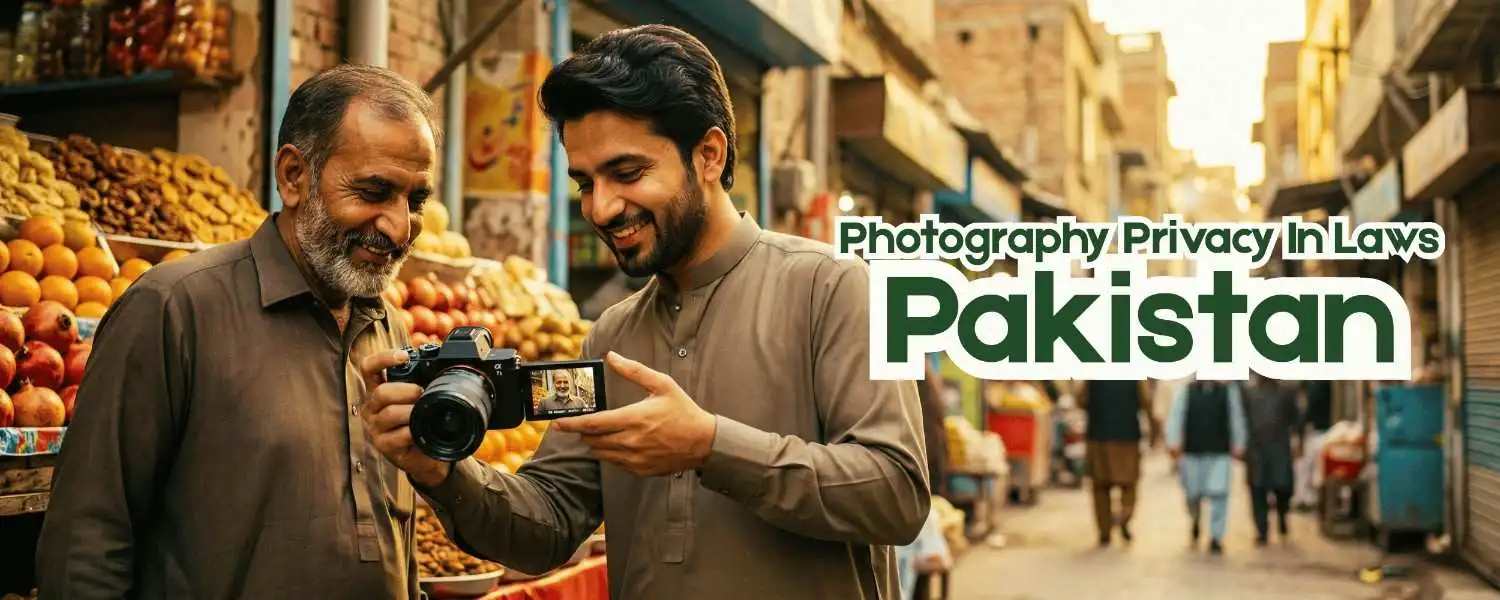
Imagine you are walking through the Walled City of Lahore. The afternoon light hits an old spice vendor just right, framing a perfect, timeless portrait. You raise your camera, but for the first time in years, you hesitate.
You’ve seen the news about new "Digital Rights" and "Privacy Laws" in Pakistan. You wonder: If I take this photo, am I breaking a law? Am I stealing his data? That split-second of doubt is real. In 2026, street photography in Pakistan has changed. It’s not just about "taking" a photo anymore; it’s about a new kind of respect we call the Digital Handshake.
Why "Just Taking a Photo" Changed in 2026
In the past, we mostly thought of the street as a free-for-all. If you could see it, you could shoot it. But today, people are much more aware of their digital privacy.
New rules mean we have to think about a person’s face as their private property. Here is how the mindset has shifted for all of us:
| The Old Way | The 2026 Way |
|---|---|
| Focus on "Capturing" a moment. | Focus on "Collaborating" with a person. |
| Taking photos first, asking later. | Building trust before the shutter clicks. |
| It's just a picture. | A high-res face is considered private data. |
Recent news reports show how these biometric rules are actively being applied in Pakistan today.
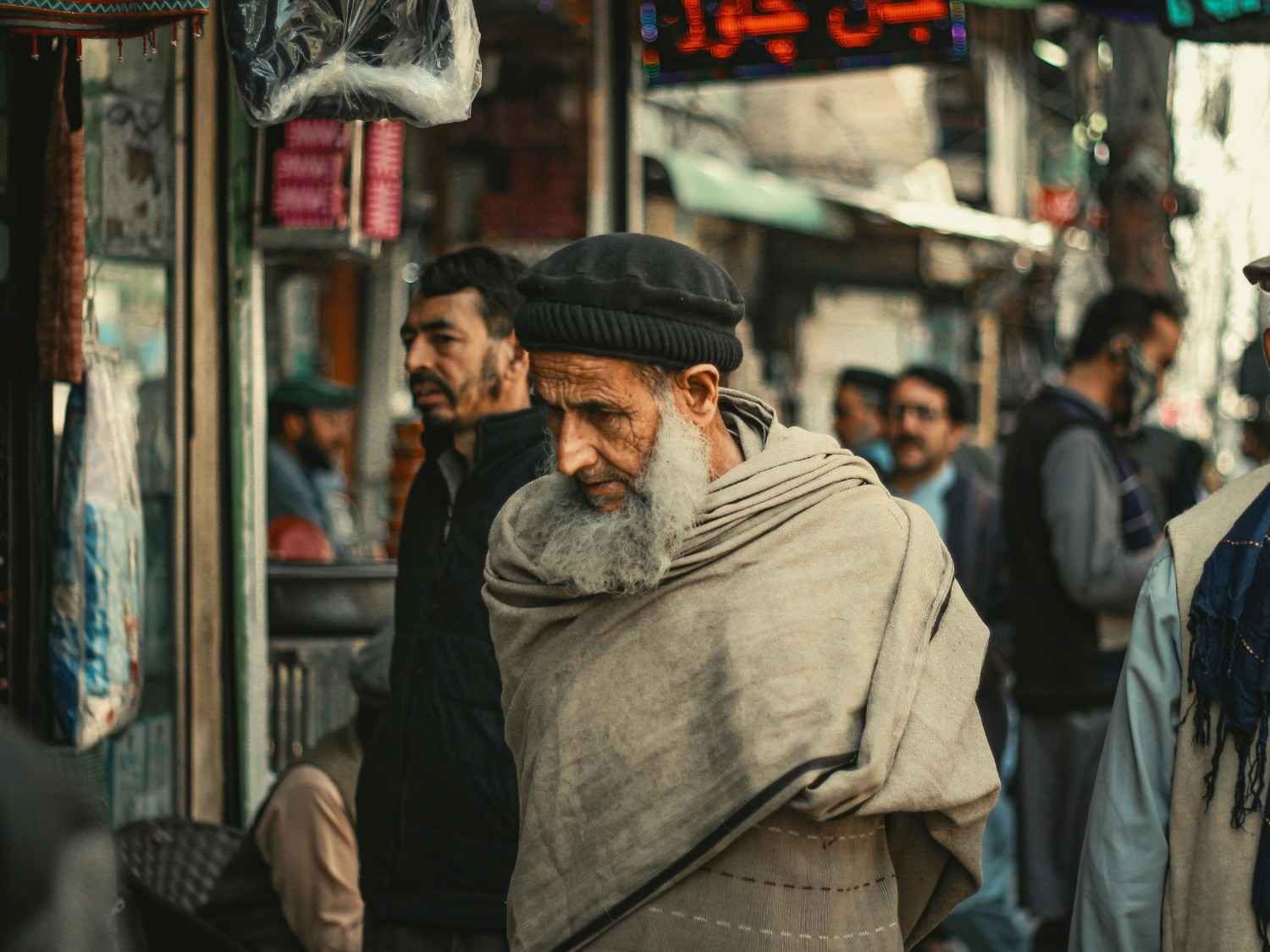
What Actually Counts as "Private Data"? (Hint: It’s the Face)
You don't need a law degree to understand this. Simply put, the rules now treat a person's face as their private property.
When you are out with your camera, keep these four things in mind:
- High-resolution faces: If I can see every detail of their eyes and skin, it's sensitive.
- Close-up portraits: These are no longer just "art"; they are records of someone’s identity.
- Location markers: A photo that shows exactly where a person lives or works.
- Digital "Fingerprints": The hidden info inside your photo file that says when and where it was taken.
If you want to be extra safe, the DRF has outlined the exact legal definitions of what counts as private data.
The 10-Second Script: How to Ask for Permission
The biggest hurdle is the "awkward gap." How do you ask for a photo without ruining the mood? The secret is being 100% transparent.
Try using this simple "script" next time you see a shot you love:
In English: "Assalam-o-Alaikum! I am a photographer and I love the way the light is hitting your shop. May I take a respectful portrait of you? I’m happy to show it to you afterward!"
In Roman Urdu: "Assalam-o-Alaikum! Mein aik photographer hoon aur aap ki dukaan par yeh roshni bohat achi lag rahi hai. Kya mein aap ki aik tasveer le sakta hoon? Mein aap ko baad mein dikha bhi doon ga!"
This matches global ethical standards for photography, so you know you're doing it right no matter where you are.
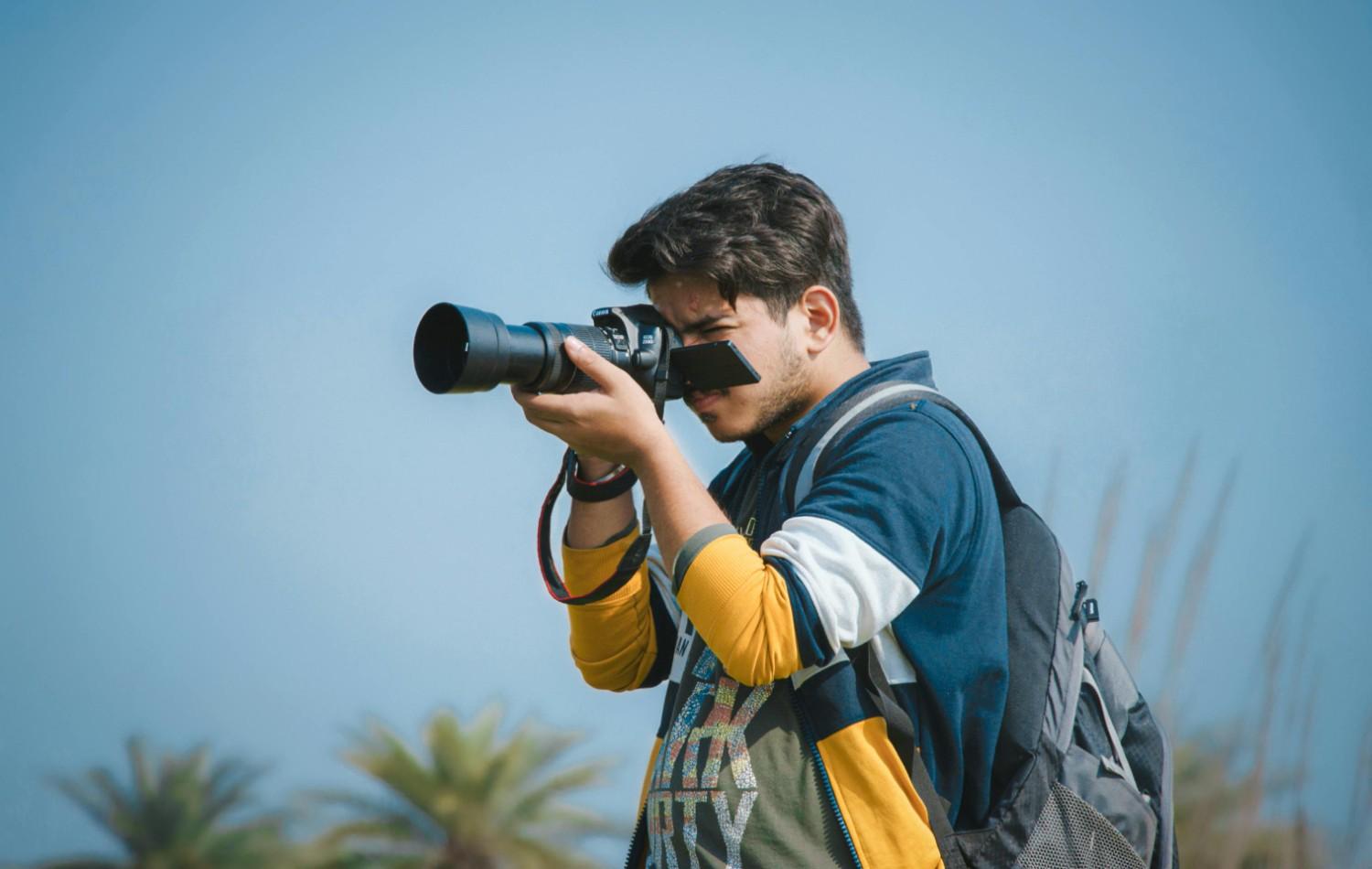
The "Show & Delete" Policy: Building Instant Trust
One of the best ways to de-escalate a tense situation is to give the other person the "remote control." If someone looks nervous after you take a photo, follow these three steps immediately:
- The Click: Take your shot as naturally as possible.
- The Flip: Immediately turn your camera screen around and walk toward them.
- The Offer: Say, "Here is how it looks. If you don't like it, I will delete it right now."
Why this works: It proves you aren't "stealing" anything. It shows you respect their right to decide how they appear to the world.
Knowing Your Rights (and Theirs)
In 2026, being a great photographer means being a great neighbor. Respecting a "No" is just as important as getting a "Yes."
💡 Pro-Tip: If someone says no, don't take it personally. A "No" actually makes your job easier. It saves you from taking a photo that might cause trouble later. Move on with a smile and a "Shukriya."
Frequently Asked Questions about Photography Privacy Laws in Pakistan
1. Is street photography actually illegal in Pakistan now?
No, it is not illegal. However, the way you store and share high-resolution faces is now more regulated. As long as you have consent and respect the person’s privacy, you are in the clear.
2. What if I’m taking a wide shot of a crowded bazaar?
Crowd shots are generally okay! If you are taking a photo of a "scene" where no single person is the main focus, the rules are much more relaxed. It's the individual, identifiable portraits that require the most care.
3. Do I need a written contract for every single street portrait?
For most hobbyists and street photographers, a clear verbal "Yes" is enough. If you are filming a "behind the scenes" video of you asking, that is even better proof of consent!
4. Can a stranger legally force me to delete a photo from my camera?
Under the "Right to Erasure," if a person is the main subject of your photo, they have a very strong right to ask you to remove their data (their face). It is always best to delete it on the spot to avoid any trouble.
5. Does this apply to my smartphone, or just "professional" cameras?
The law cares about the data, not the device. Whether you use an iPhone or a high-end DSLR, if you are capturing a person's face, the same rules of respect and privacy apply.
6. How do I handle someone who says "no" after I’ve already taken the shot?
Don't argue. Show them the photo, press the delete button in front of them, and apologize politely. This protects your reputation and keeps the streets friendly for the next photographer who comes along.